
Tea Rooms
The Ultimate British Afternoon Tea Checklist: What to Serve and in What Order
September 20, 2026
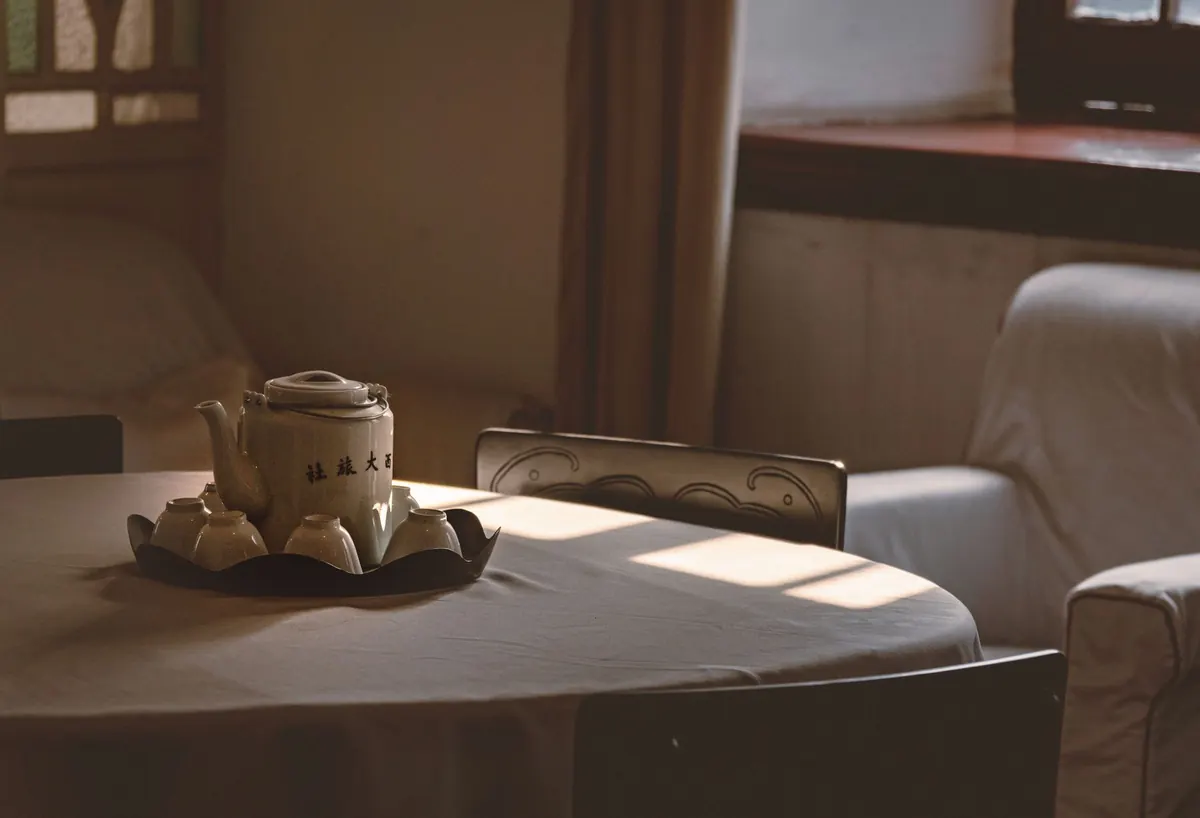
Afternoon tea is not really a meal; it is a sequence, and the sequence is the whole trick. Get the order right and a modest spread of sandwiches, scones and small cakes feels generous and unhurried. Get it wrong — cakes first, sandwiches abandoned, scones going cold on the stand — and even good baking turns into a random buffet. Here is the running order, the portions worth planning for, and the small decisions that separate a nice tea from a proper one.
The Running Order, Start to Finish
Serve in this order, clearing as you go. The logic is simple: cold and savoury first, warm and rich in the middle, small and sweet at the end. Sugar dulls the palate quickly, so if the cakes come out early nothing that follows tastes of much.
- Tea first. Pour before anyone sits down, or have the pot on the table ready to pour. Nobody should be waiting on a drink while the sandwiches dry out.
- Finger sandwiches. Three or four per person, arranged on a plate or the bottom tier of a stand.
- Warm savouries, if you are serving them. Mini sausage rolls, tiny quiche, a cheese straw. Optional at home, common at a hotel.
- Scones with jam and clotted cream. Brought out after the sandwiches are cleared, while they are still warm.
- Cakes and pastries. Two or three small items per person.
- A last sweet with a fresh pot. Petit fours, a square of shortbread, a tiny tart — and hot tea to finish.
Keep each stage small. Afternoon tea works because it is a series of mouthfuls, not three courses of dinner compressed into an afternoon.
The Tea Itself: What to Brew and When to Top Up
Tea is the one thing guests will notice if it is wrong, and it is the cheapest thing to get right.
Choosing a pot or two
One reliable black blend covers most tables: English Breakfast, Assam or Ceylon. If your guests are tea people, add a second pot — Darjeeling for something lighter, Earl Grey for the scent. Warm the pot with a splash of boiling water, tip it out, then add one teaspoon of leaf per person plus one for the pot, or follow the blend's own guidance. Freshly drawn water, just boiled for black tea. Steep for three to five minutes, then remove the leaves or pour through a strainer so it does not turn bitter and stewed.
Milk, lemon and pouring order
Milk goes in after the tea in most modern British households, which lets you judge the colour; pouring it in first was a habit born of protecting delicate china. Both are fine. Lemon suits Earl Grey and Darjeeling; milk suits Assam and English Breakfast. Offer a jug of hot water so anyone who likes it weak can dilute without asking for a fresh pot. Top up regularly — a cold cup is a quiet complaint.
Course One: Finger Sandwiches
Thinly sliced bread, a little butter right to the edges to waterproof it, and two or three fillings done well rather than six done carelessly. Use a white loaf and a brown or granary one for contrast. Cut the crusts off after filling and chilling briefly — the sandwich holds its shape better — then cut into fingers about two fingers wide.
Fillings that always work
Cucumber, salted lightly and patted dry so it does not bleed into the bread. Smoked salmon with cream cheese and dill. Egg mayonnaise with cress. Ham with a scrape of mustard. Coronation chicken, if you want something with a bit of warmth. Roast beef with horseradish for a heavier option. Assemble cucumber sandwiches last and keep everything covered with a damp cloth or cling film until the moment they go out.
Course Two: Scones, Cream and the Jam Argument
One or two scones per person, plain or with fruit, warm but never hot — heat collapses clotted cream into a puddle. Split them rather than sawing: hold one in both hands and pull it apart, or run a knife horizontally round the middle. Butter is unnecessary once clotted cream is involved.
Jam first or cream first?
Devon puts cream on first, then jam; Cornwall does the reverse. Both are correct, and neither is worth an argument at the table. What matters is the quality of the two things: proper clotted cream, and a good strawberry or raspberry jam in a small dish with its own spoon. If clotted cream is hard to find, lightly whipped double cream is a better substitute than anything from a spray can. A light dusting of icing sugar is optional and looks tidy.
Course Three: The Sweet Finish
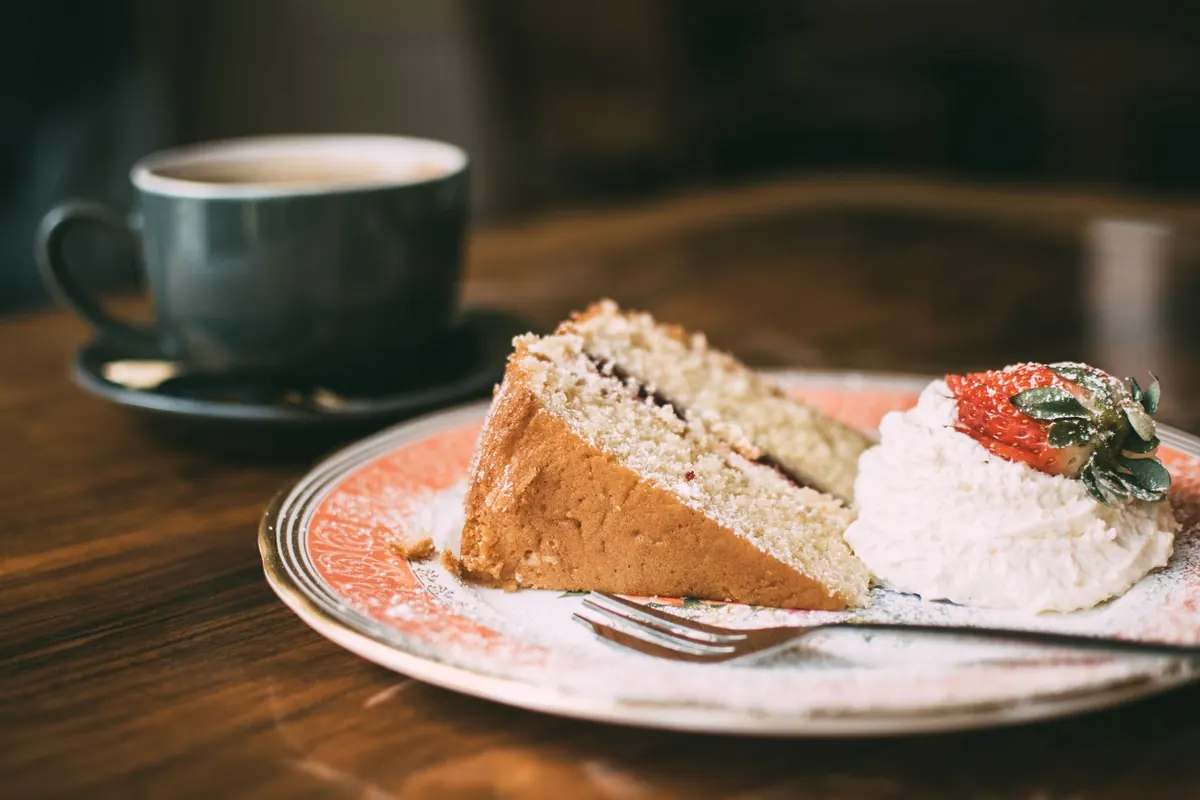
Two or three small things per person, chosen so the textures differ: something fruity, something creamy, something crisp. A lemon drizzle square, a small fruit tart, a wedge of Victoria sponge, a chocolate éclair, a shortbread finger, a brandy snap. Bring them out after the scones are cleared so the table is not crowded, and make a fresh pot of tea at the same time — hot tea is what stops the final course feeling heavy. If there is a celebration cake, it belongs here, and it counts as one of the three.
Portions, and What to Book When You Go Out
How much per person
- Three or four finger sandwiches
- One or two scones with jam and cream
- Two or three small cakes or pastries
- Two to three cups of tea, with hot water to top up
That is generous for a four o'clock sitting and sensible if dinner is at seven. If afternoon tea is standing in for lunch, add a warm savoury or two. Ask about allergies and dietary needs when you invite people, and when booking out, confirm with the venue directly rather than assuming.
Cream tea, afternoon tea, high tea
Cream tea is scones, jam, cream and a pot of tea — nothing more. Afternoon tea is the full sequence above. High tea, despite the name, is not the grander option: it is an early evening meal of hot food with tea alongside, traditionally eaten after a working day. Knowing which one you have booked saves disappointment. It is also worth checking whether tea refills are included, and how long the table is yours.
Before You Serve: A Five-Minute Check
Run through this just before guests arrive, and the rest of the afternoon looks after itself.
- Kettle on, pot warmed, leaves measured.
- Sandwiches covered and cool, not fridge-cold.
- Scones wrapped in a clean cloth, or in a low oven if they need reviving.
- Clotted cream out of the fridge fifteen minutes ahead so it spreads.
- Jam in a small dish with a spoon; no jars on the table.
- Side plates, knives, napkins and a jug of water.
- A second pot ready for the sweet course.
Then sit down and eat your own sandwiches. The host who spends the whole tea in the kitchen is the one thing that can spoil a good spread.
Photo: 女子 正真 / Pexels
Related posts
More stories you’ll love reading