
Reviews
Reviewing British Baking Essentials: Which Flours, Sugars, and Jams Are Worth Buying?
October 08, 2026
Most British baking comes down to a handful of ingredients doing quiet, unglamorous work: flour, sugar, butter, eggs, jam. Get those right and a Victoria sponge, a tray of scones or a weekend loaf tastes better than the sum of its parts. Get them wrong and you will spend an afternoon wondering why the crumb is tight, the rise is flat, or the filling tastes of nothing much at all.
What follows is a working baker's view of the staples — where it is worth spending a little more, where the own-brand basics are genuinely good, and which details actually change the bake.
Plain and Self-Raising Flour: The Weekly Workhorses
British plain flour usually sits around 9–10% protein, which makes it soft enough for shortbread and sponges but too weak for a proper crusty loaf. It is the flour you will use most, so buy it in the largest bag you will get through in a couple of months and store it in an airtight container away from the oven.
Self-raising is simply plain flour with a raising agent blended in, but the amount varies between brands. That matters if a recipe leans hard on it — a scone mix that rises proudly with one brand can slump with another. If you keep only plain flour, add your own: start with about a teaspoon of baking powder per 100g and adjust to the recipe. And label your jars. Mixing up plain and self-raising is still the most common home baking disaster there is.
What to look for
Freshness over brand. Flour that has sat in a warm cupboard for a year tastes dusty and performs worse. Give it a sniff before you bake — it should smell of almost nothing.
Strong Bread Flour: Pay for Protein
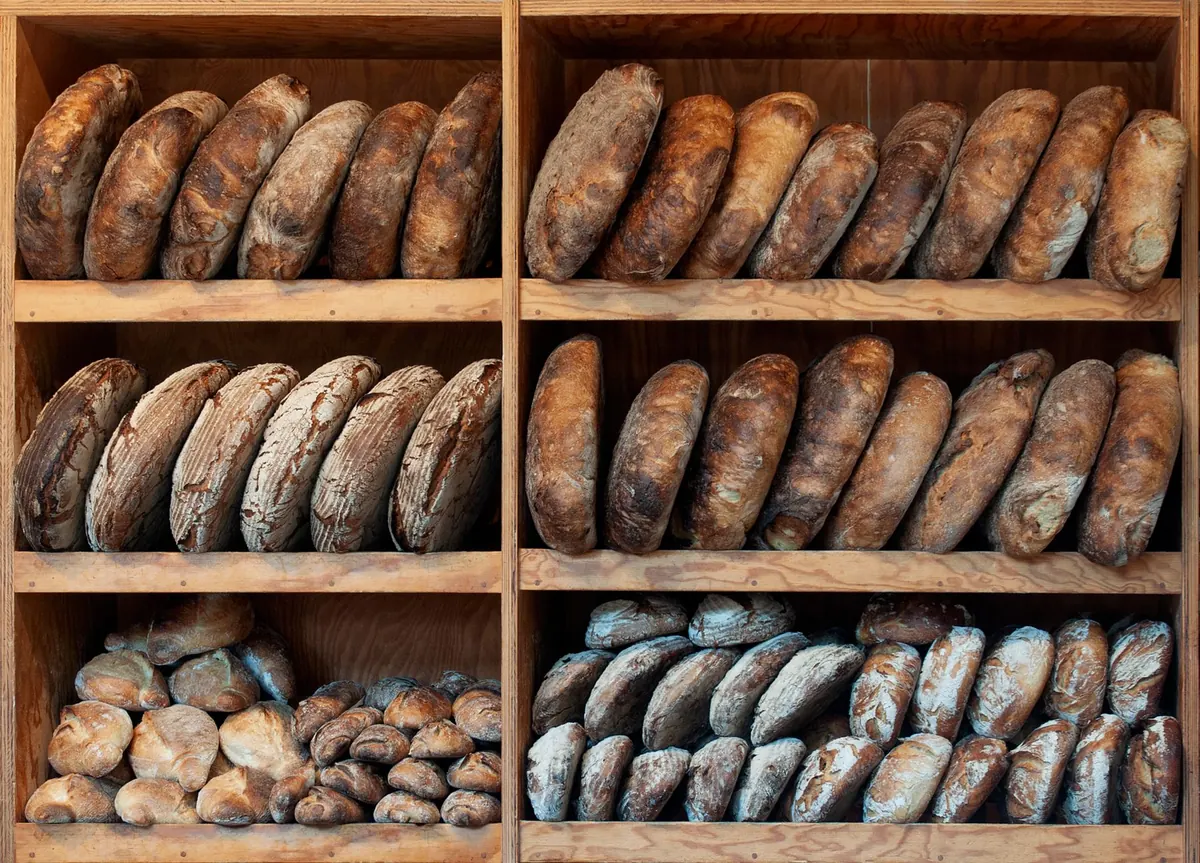
Bread is the one place where spending more is nearly always justified. You want 12% protein or above, which gives the gluten enough to stretch and hold gas through a long prove. Cheap bread flour can be inconsistent from bag to bag, and inconsistent flour makes for unpredictable dough — the sort that suddenly turns sticky halfway through kneading.
If you bake one loaf a week, a good strong white flour is the single best upgrade you can make to your cupboard. Strong wholemeal and strong brown are worth having too, but treat them as accents: they absorb more water, rise more slowly, and can turn a light loaf into a brick if you swap them in one for one.
Wholemeal, Rye and the Flours Worth Buying Small
Wholegrain flours carry the oils from the bran and germ, which means they go stale — and eventually rancid — far faster than white flour. Buy small bags, keep them in the fridge or freezer, and bring them to room temperature before baking. Rye is a different beast altogether: low in gluten, thirsty, and wonderful in soda bread, where bicarbonate of soda does the raising and the flavour is closer to malt than to wheat.
Sugars: Where Most of the Flavour Lives
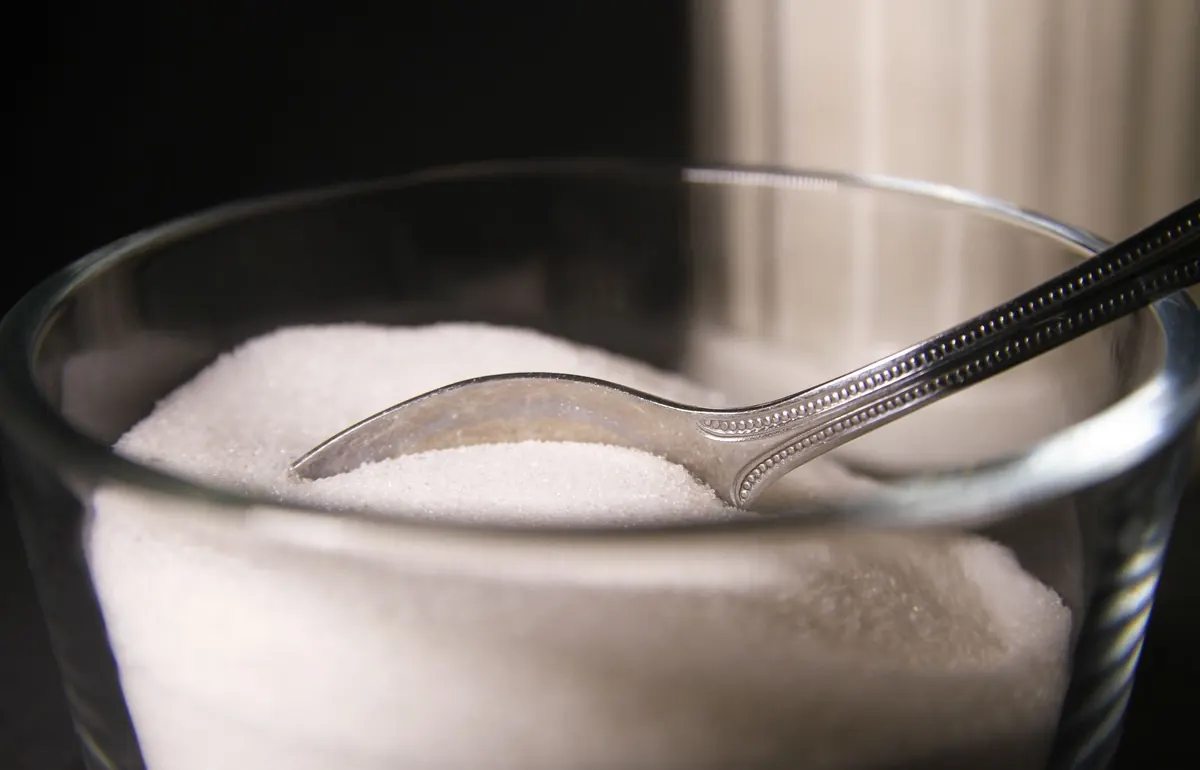
Sugar is not just sweetness. It holds moisture, tenderises crumb, feeds browning, and in meringue it builds structure. That is why swapping one for another changes a bake more than most people expect.
- Caster sugar — fine crystals that dissolve quickly. The default for sponges, meringues, creaming butter and sweetening whipped cream.
- Granulated — cheaper and coarser. Fine for crumbles, syrups and sprinkling over fruit; gritty in a delicate sponge.
- Golden caster — lightly unrefined, with a soft caramel note. Lovely in flapjacks, shortbread and anything with oats.
- Demerara — big crunchy crystals. Use it on top, not inside.
- Light muscovado — damp, dark and fudgy. Turns gingerbread and banana loaf into something richer.
- Dark muscovado — intense, almost treacle-like. A little goes a long way in fruit cake and Parkin.
- Icing sugar — for buttercream, glazes and dusting. It usually contains an anti-caking agent, so do not use it for meringues.
- Golden syrup — not a sugar, but it belongs on this shelf. Essential for flapjacks, treacle tart and steamed puddings.
If you are watching spend, caster and light muscovado will cover most British recipes. Everything else is a treat, not a requirement.
Jam: Read the Label Before You Read the Name
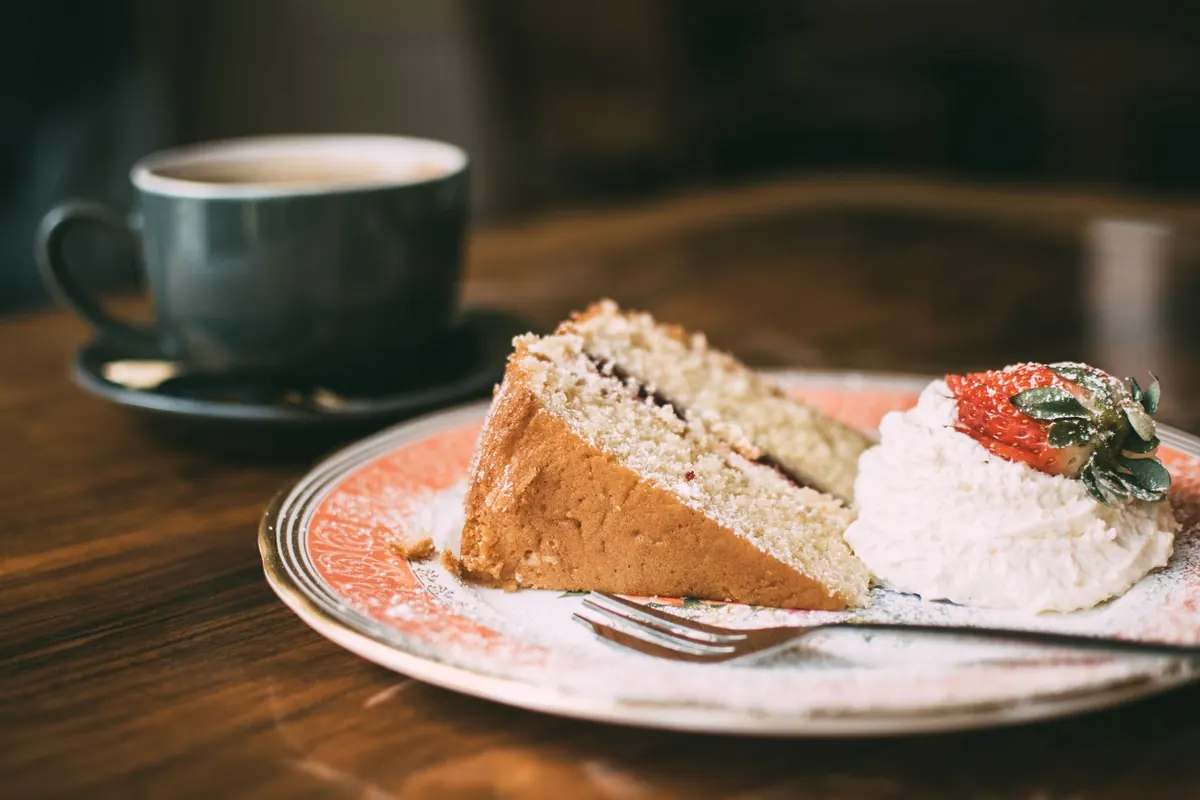
Jam is where a good bake is most easily undone. A thin, over-sweet strawberry jam will make even a well-made sponge taste cheap. Turn the jar over and look at the ingredients: fruit should come first, and a decent strawberry or raspberry jam should list a high proportion of fruit rather than sugar and glucose-fructose syrup. If the first thing you taste is sweetness with fruit trailing behind, put it back.
Reduced-sugar jams are worth approaching with care. Sugar is what sets and preserves jam, so cutting it usually means added pectin and a looser set. That is fine on toast, less fine in the middle of a layer cake, where a runny filling will creep out under the weight.
Making your own is genuinely straightforward: equal weights of fruit and sugar, a squeeze of lemon, a slow simmer until it wrinkles on a cold plate. Just remember that the sugar is doing the preserving. A low-sugar batch belongs in the fridge and should be eaten within a few weeks.
The Supporting Cast Worth Checking
Baking powder and bicarbonate of soda are the quiet saboteurs of home baking. Both lose potency over time, so write the opening date on the tin and replace them yearly. Vanilla extract, not essence, is worth the extra for anything where you can taste it — custards, buttercreams, shortbread. And unsalted butter lets you control the seasoning in a way that salted butter, with its variable salt content, does not.
Building a Cupboard That Earns Its Space
Buy for what you actually bake. A large bag of plain flour and a bag of caster sugar will be used up; a tub of dark muscovado for one Christmas cake will fossilise at the back of the shelf. Keep speciality flours small and cold, keep raising agents fresh and dated, and transfer everything into containers you can label. Then bake the thing you bought it for — a cupboard full of good ingredients is only worth it when the oven is on.
Photo: Mark Youso / Pexels
Related posts
More stories you’ll love reading