
Victoria sponge and Battenberg sit on the same tea table, yet they ask completely different things of a baker. One is a study in restraint: two light layers, jam, cream, a dusting of sugar. The other is a construction job — pink and yellow battens glued with jam, wrapped in marzipan, sliced to reveal a checkerboard. Both are British classics, both belong beside a pot of tea, and both reward technique far more than expensive ingredients. If you are deciding which one to bake this weekend, the differences matter more than the similarities.
What Each Cake Actually Is
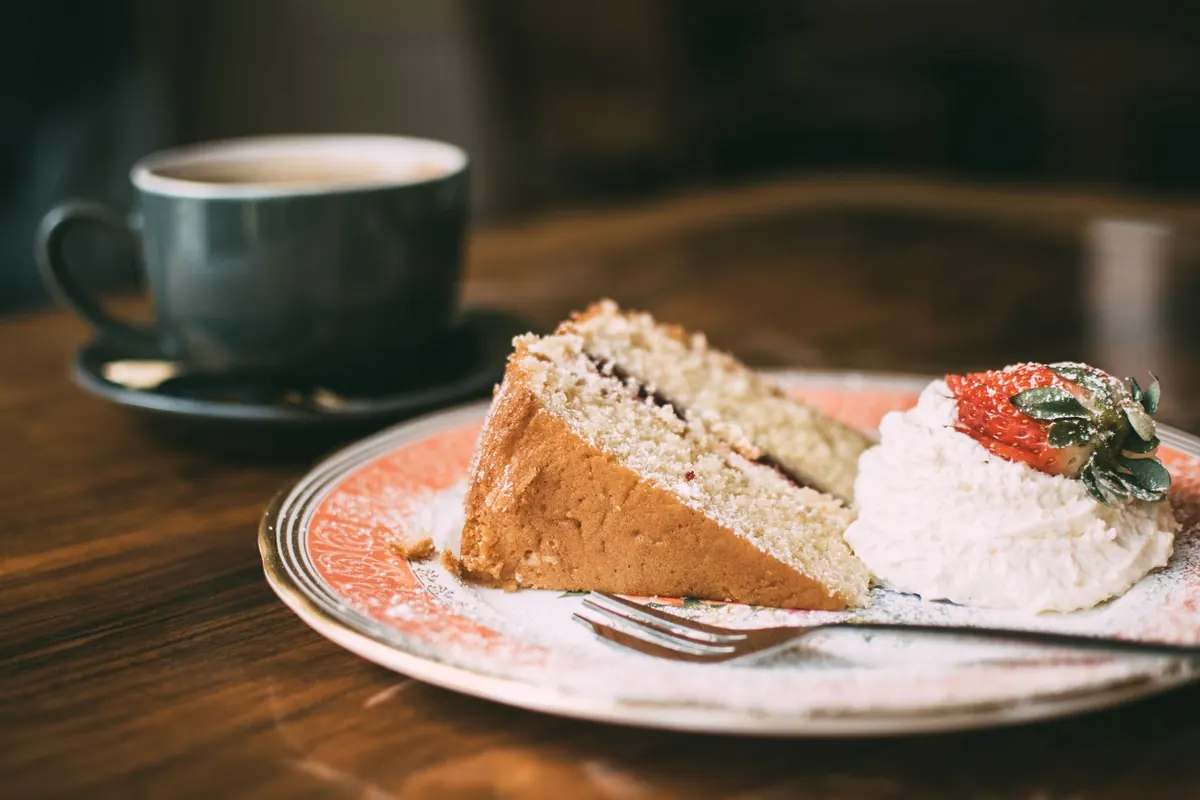
A Victoria sponge is a butter sponge, usually baked in two shallow tins and sandwiched with jam and whipped cream. The name honours Queen Victoria, but the real reason the cake became a fixture of British baking was the arrival of reliable raising agents — before that, a light sponge took far more work than most home kitchens could manage.
A Battenberg is a different proposition entirely. Two coloured sponges, traditionally pink and yellow, are baked flat, trimmed, cut into long rectangular battens and reassembled as a checkerboard. The whole thing is then wrapped in marzipan. Popular histories link the name to the Battenberg family, though accounts of who baked the first one and when vary. What everyone agrees on is the shape, and the shape is the point.
Ingredients: Similar Base, Different Ambitions
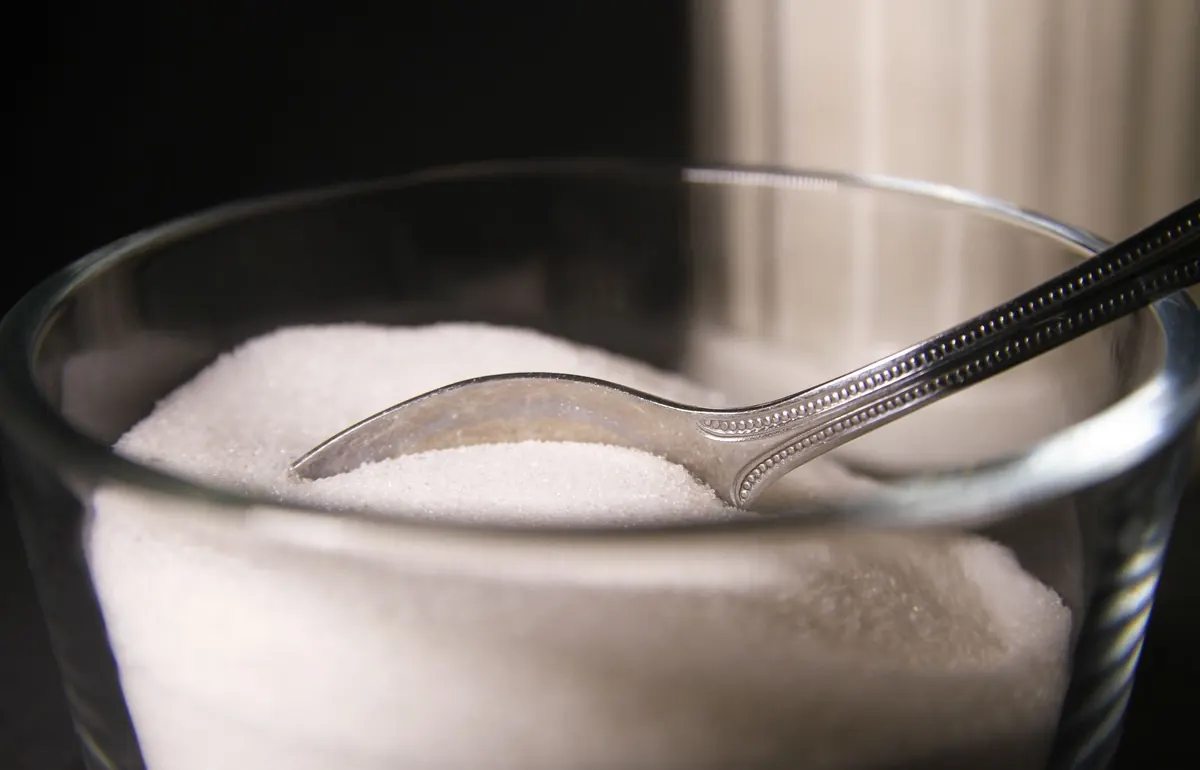
Both cakes start in much the same place. A classic Victoria sponge uses equal weights of butter, caster sugar, eggs and self-raising flour — 200g of each is a reliable formula for two 20cm tins — plus a little vanilla and a pinch of salt. The filling is jam and lightly sweetened whipped cream.
Battenberg batter borrows that creamed-butter method but swaps part of the flour for ground almonds, which is what gives the cake its denser, slightly damp crumb and its almond backbone. A common version uses 175g butter, 175g caster sugar, three eggs, around 100g self-raising flour and 75g ground almonds, split into two bowls and coloured separately. Pink traditionally came from cochineal or raspberry, though most bakers now reach for gel paste colouring — gel keeps the batter's consistency, while liquid colouring can slacken it and affect the rise.
Then there is the outsides. Victoria sponge needs jam, cream and a little caster or icing sugar. Battenberg needs warmed apricot jam as glue and a block of marzipan, rolled thin. That marzipan is not decoration; it is the structure that holds the whole assembly together.
Assembly and Technique
The Victoria sponge is forgiving. Cream the butter and sugar until genuinely pale, add eggs one at a time with a spoonful of flour to stop curdling, fold in the rest, divide between lined tins and bake at around 180°C for 20 to 25 minutes. Cool in the tins for ten minutes, then on a rack. Spread jam on the bottom layer first, then cream on top of the jam — that order stops the cream from sliding — and place the second layer gently.
Battenberg punishes impatience. The sponge must be baked flat and even, then cooled completely before anything else happens. Every batten needs the same width, or the checkerboard leans and the marzipan bulges.
- Bake evenly: use two identical tins, or one tin divided with a foil wall, so both colours finish at the same time.
- Trim before cutting: level the domed tops flat with a serrated knife, then cut each sponge lengthwise into two neat battens.
- Measure: a ruler takes ten seconds and saves the whole cake. Aim for battens of equal width, usually around 4cm.
- Glue generously: brush warmed, sieved apricot jam on every joining surface, then press the alternating colours together into a chequer pattern.
- Chill before wrapping: half an hour in the fridge firms the block so the marzipan can be rolled around it without tearing.
- Rest again: let the finished cake sit for an hour before slicing, and use a sharp, warmed knife for clean edges.
Flavour and Texture, Slice by Slice
Victoria sponge is soft, open-crumbed and buttery, with the cream and jam doing the talking. Because the cake itself is so plain, the jam you choose matters enormously — a sharp raspberry or a slightly tart damson will cut through the cream far better than something cloyingly sweet. It is at its best the day it is made, and it does not travel well once filled.
Battenberg is richer and more deliberate. The ground almonds keep the sponge moist, the marzipan adds a sweet almond shell, and the apricot jam provides the only real acidity. It is sweeter than a Victoria sponge by some margin, so serve thin slices. The good news is that it keeps well for several days in a tin, and some bakers think it improves after a day's rest as the flavours settle.
Occasions and Who They Suit
Reach for a Victoria sponge when you need something warm and immediate: a birthday tea, a Sunday afternoon, a bake sale, or a first cake to make with children helping. It takes under an hour of active work, scales up easily into larger tins, and almost everyone will eat it. Its weakness is timing — fill it too early and the cream weeps, so assemble it close to serving.
Choose a Battenberg when the cake is meant to be looked at as much as eaten. It suits a celebration table, a gift box, a christening spread or a buffet where neat slices matter. It also appeals to anyone who loves almond. Budget two to three hours, including chilling, and accept that the first attempt may look slightly uneven.
Choosing Between Them
If you have a free afternoon and want a cake that photographs well and slices cleanly, make the Battenberg — and read through the whole method once before you start, because the cutting stage comes at you quickly. If you want something on the table within a couple of hours, and you would rather not fight with marzipan, make the Victoria sponge and spend your effort on good jam and properly whipped cream.
Better still, bake the sponge base once and use it for both. The same creamed-butter method underpins each cake, so the skills transfer directly: creaming, folding, judging when a sponge is done. Master that, and you have two British classics in your repertoire instead of one.
Photo: Lisa Fotios / Pexels
Related posts
More stories you’ll love reading