
Tea Rooms
How to Host a Proper Cream Tea: Etiquette, Scones, and Jam or Cream First
September 22, 2026
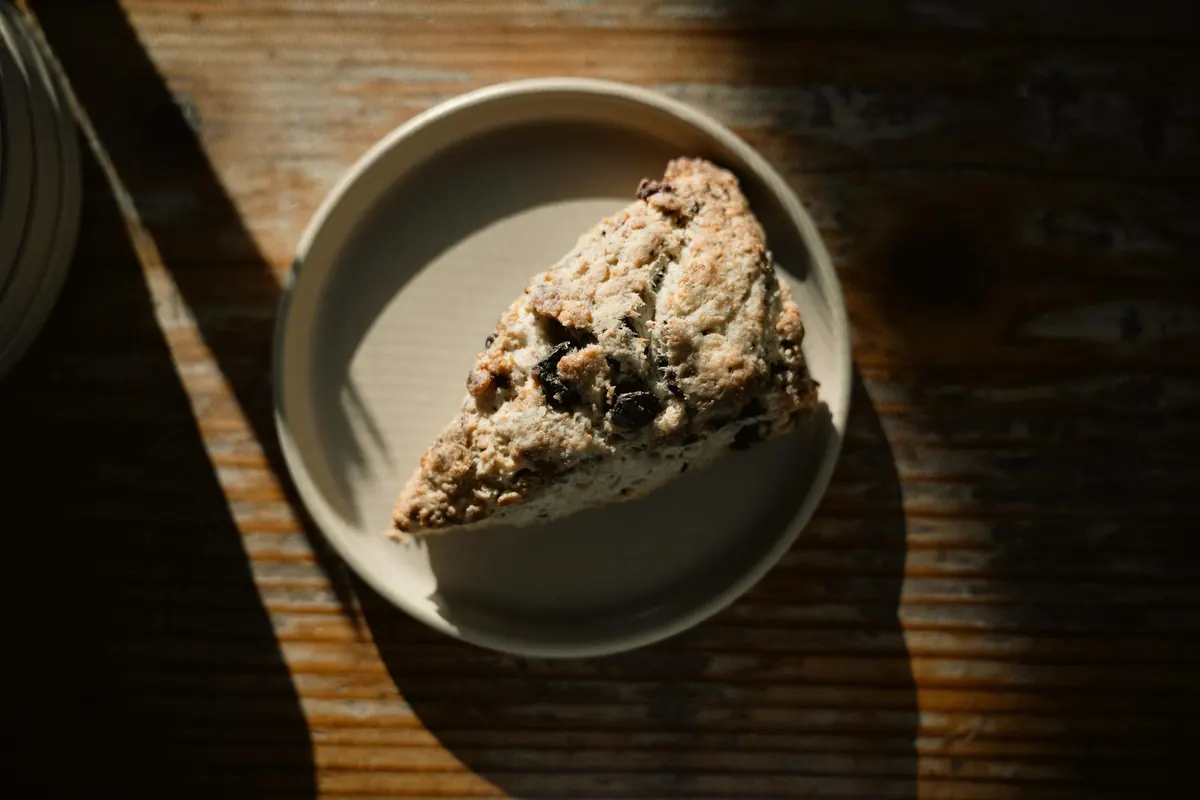
A cream tea looks like the easiest thing in the world to serve: warm scones, a pot of tea, jam and clotted cream. Then someone asks which goes on first and the table quietly divides into Devon and Cornwall. Hosting one well is less about ceremony than timing — scones out of the oven as the kettle boils, cream at room temperature, enough knives to go round.
What Actually Counts as a Cream Tea
A cream tea is scones, clotted cream, jam and tea. That is the whole menu. It is not afternoon tea, which arrives on a tiered stand with sandwiches, cakes and considerably more washing up. The cream tea is the older, plainer tradition, tied to the West Country and still served in tea rooms across Devon and Cornwall.
Two details do the heavy lifting. The cream should be clotted, and everything should come to the table at once rather than as a buffet guests assemble themselves. If you are substituting whipped cream, say so as you set it down. Nobody will mind, but they will notice.
Both counties claim the cream tea as their own. The real difference is the order of assembly, which we will come to. Serve good scones and keep the history light.
Choosing and Baking Your Scones
The right scone
Plain or fruit, and nothing fussy beyond that. Sultanas or raisins are traditional; a plain scone lets good cream do the work. A dependable ratio is 350g self-raising flour, a teaspoon of baking powder, 85g cold butter rubbed in until the mixture looks like fine breadcrumbs, three tablespoons of caster sugar, and about 175ml of milk soured with a squeeze of lemon. Bring it together with a knife, pat it gently, and roll to roughly 3cm. Cut straight down with a sharp cutter and lift it out without twisting — a twist seals the edges and stops the rise.
Warm, not hot
Scones are at their best within an hour of baking, so time them for the kettle. If you bake ahead, cool them completely and refresh in a moderate oven for five minutes. A microwave turns them rubbery in seconds.
Split, don't slice
Break a scone open with your fingers, or hold it steady and split it horizontally with a fork and knife. A serrated blade sawed back and forth compacts the crumb and gives you a flat, cakey layer.
- Handle the dough as little as you can bear.
- Roll to 3cm — thin scones are not worth splitting.
- Stack them only once cool, or they steam and soften.
- Take the cream out of the fridge well before serving.
Clotted Cream, and What to Do Without It
Clotted cream is thick, pale gold and slightly crusted on top, with a texture somewhere between butter and whipped cream. Serve it in a shallow dish with a spoon or small knife. Cold clotted cream is stiff and tastes of very little, so give it half an hour on the counter.
If you cannot find it, extra-thick double cream, or mascarpone loosened with a spoonful of double cream, will do the job. Squirty cream will not. Nor will butter, whatever your uncle insists — a scrape of butter under the jam is a habit in some West Country houses, but it is optional.
Jam First or Cream First?
This is the question people actually want answered, so here it is: both orders are correct, and neither is universal.
Cornish style is jam first, spread to the edges, then a generous spoonful of cream dropped on top so it sits like a lid. Devon style is cream first, spread thickly like butter, then jam spooned over it. Purists on each side will tell you the other is a scandal. They are enjoying themselves.
As a host, put the jam and cream on the table with separate spoons and let guests choose. If you are the guest, follow your host's example or simply ask — nobody objects to the question, and it gives them a chance to explain their grandmother's method. One real rule survives the debate: never put a jammy knife back into the cream. Use separate spoons, or wipe the blade.
Brewing the Tea
Tea is half the name, so give it a moment's thought.
- Warm the pot with a splash of boiling water, swirl it, and pour it away.
- Use one teaspoon of loose leaf per person plus one for the pot, or one bag per person and a spare.
- Pour water just off the boil. An English breakfast, Assam or Ceylon blend stands up to cream and jam better than anything delicate.
- Brew for three to four minutes, stir once, and pour through a strainer.
- Offer milk and let guests add their own. If you have strong views about milk first, keep them until the second cup.
Have a second pot ready. A cream tea with one pot between four people runs dry exactly when the last scone appears.
Setting the Table and Hosting Well
Keep
Photo: James Collington / Pexels
Related posts
More stories you’ll love reading