
A bakery can look charming and still sell you a sad sausage roll. The trick is knowing what to look at before you reach the counter, and what to ask once you get there.
None of it requires a qualification. It requires attention, a working nose, and the willingness to walk away from a tired iced bun. Here is how to read a British bakery in about ninety seconds.
Start With the Window, Not the Sign
Hand-painted lettering on the glass is lovely, but it tells you about taste, not freshness. The window tells you about turnover. Look at how much is on display and how it is arranged. A shop with three lonely Chelsea buns on a vast tray baked for a rush that never came. A shop with gaps, stacked trays and someone restocking from a rack behind the counter is moving stock.
Crumbs on the shelf, faint flour dust near the back, trays that look genuinely used — that is not mess for its own sake. It is evidence of work that happened this morning. Then check the clock. Most independent bakeries sell out of their best items by early afternoon, and a display that looks untouched at four o'clock deserves a raised eyebrow.
Use Your Nose at the Door
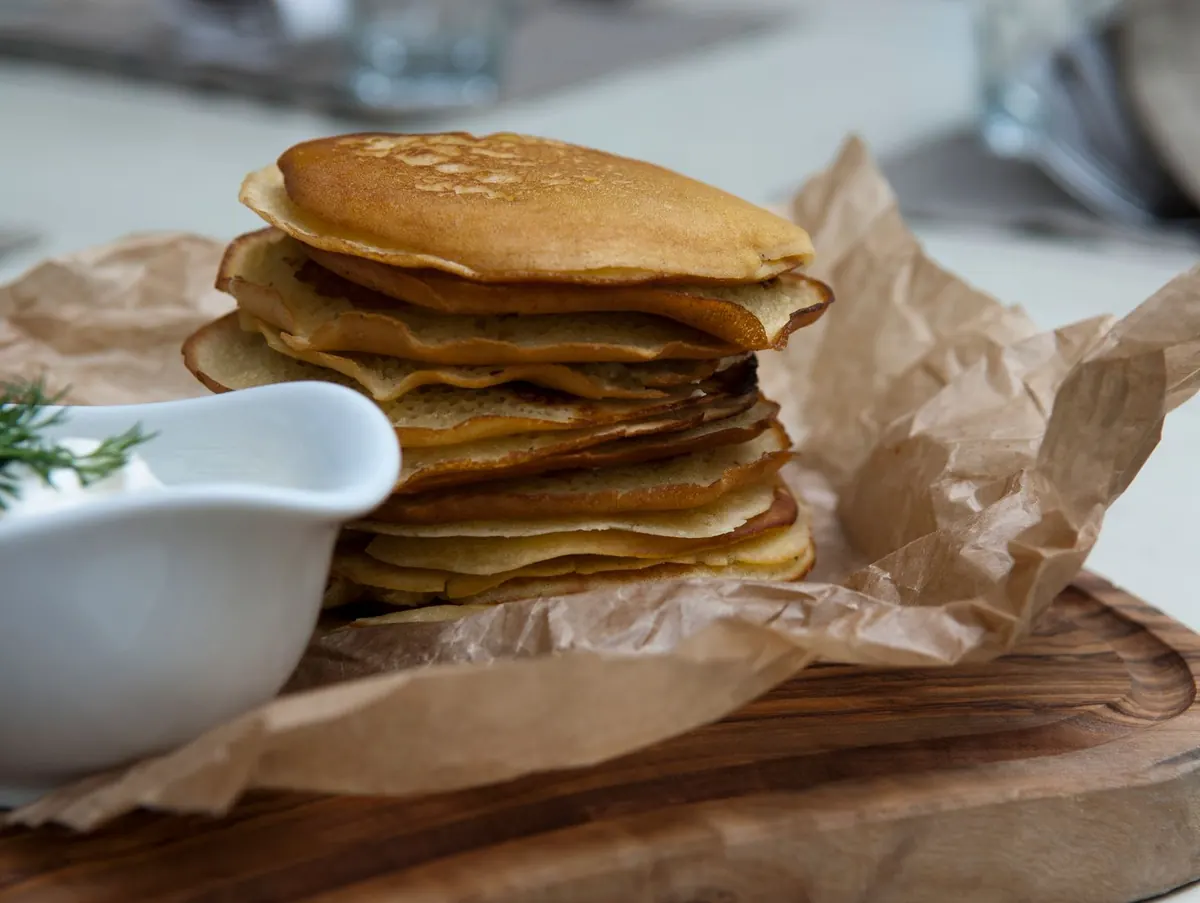
Stand inside for a moment before joining the queue. You want yeast, butter and hot sugar, layered together. Fresh bread smells soft and warm, with a faint sour edge. A good croissant smells of butter with a toasted note underneath, like the edge of a pancake.
What you don't want is the sharp smell of cleaning spray, or nothing at all. Shops selling cold, part-baked goods often smell of cardboard and refrigeration. If the air inside is flat and chilly, the pastry probably is too.
Read the Crust, Then the Crumb
This is where you can learn more in ten seconds than from any sign on the wall.
Crust
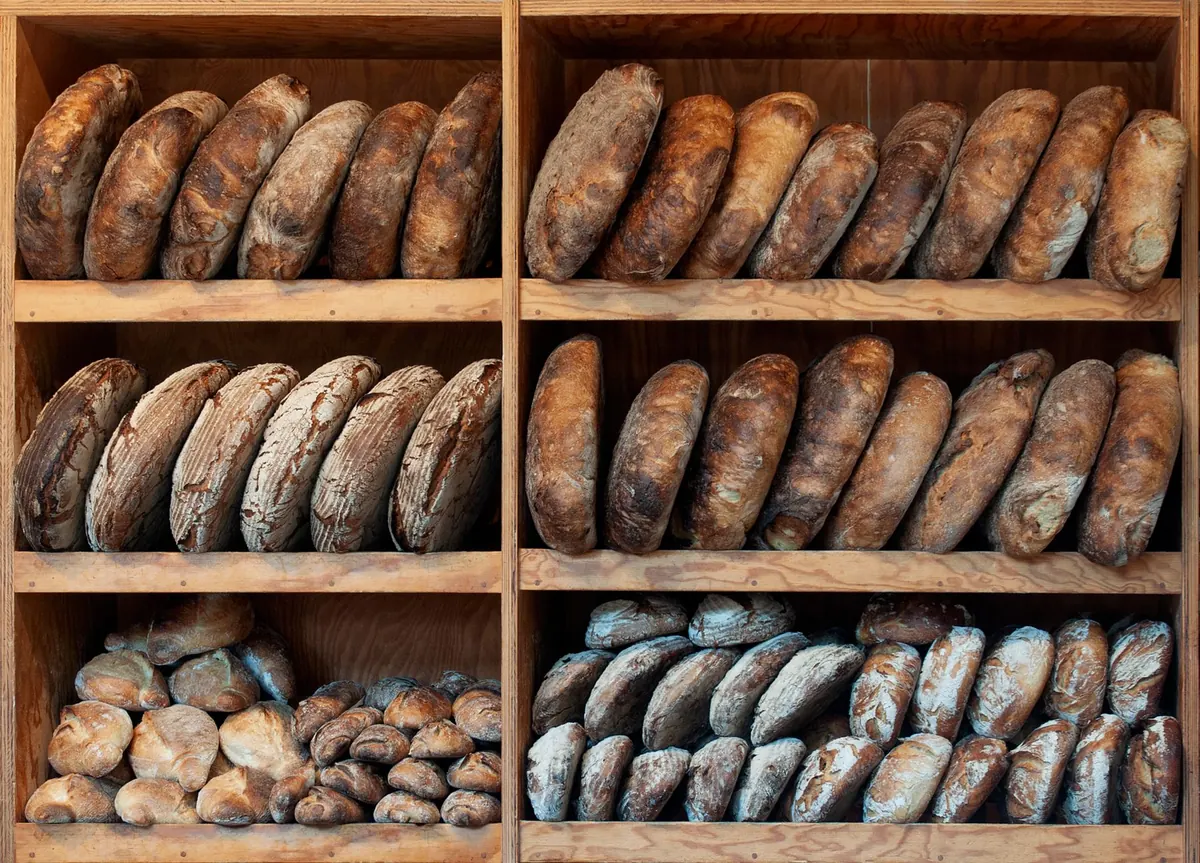
A bloomer, a cob or a tin loaf should have colour — deep amber-brown, not pale gold. Turn the loaf over and tap the base: it should sound hollow and feel lighter than it looks. A pale, soft crust usually means the dough was rushed with too much yeast and too little time, or baked too cool. A crust that has gone leathery rather than crisp is a decent clue that it was baked yesterday and stored in plastic.
Crumb
Press the cut face of a loaf gently with a fingertip. It should spring back and feel slightly moist, not damp. A dense, gummy crumb that holds the dent is underproofed or underbaked; a crumb that crumbles into dust is usually old. Irregular holes are fine — that is character, and often a sign of a longer, slower prove.
Pastries have their own tells. A croissant should shatter and shed flakes down your jumper, and you should be able to see the thin spiral of laminated layers on the cut side. A sausage roll should have crisp, visibly layered pastry rather than a smooth, bready shell. If the filling is grey and underseasoned, no amount of good pastry will save it.
Ask Two Questions at the Counter
Staff will tell you almost everything with their answer to these:
- "What came out of the oven this morning?" A specific answer — the sourdough at seven, the scones at half eight, the second batch of rolls at eleven — is what you want. A shrug, or "it all comes in fresh," is your cue to buy a coffee and leave.
- "Which of these is best today?" A good baker will steer you honestly, including away from something that has been sitting since opening. If everything is described as equally wonderful, nobody is paying attention.
While you are there, ask what time the bread usually comes out and whether they take orders for collection. Small bakeries often do, and a standing order for a Saturday loaf is one of the better habits you can build.
The Display and the Small Print
Good shops are tidy in ways that matter. Have a look at these before you pay:
- Labels. Ingredients listed rather than just a name, especially on cakes and pastries with fillings.
- Allergen information. Available clearly, not retrieved reluctantly from a folder under the till.
- Prices. Written plainly, on the shelf or the item, not invented at the counter.
- Covered goods. Open cakes and unwrapped sandwiches near a doorway or a pavement table are a bad sign.
- Tongs and trays. Separate ones for meat and sweet items, and a clean cloth rather than a grubby one.
- Slicing. Bread cut to order, on a machine that looks as though it gets cleaned.
None of this is about luxury. A village shop with lino floors and a hissing bread slicer can beat a marble-countered chain on every point that counts.
Timing, Queues and the Sell-Out Shelf
Visit at different hours and the shop will reveal itself. The early morning crowd is regulars in coats, buying loaves and bacon rolls; if the staff greet them by name and know their order, the bakery is part of the neighbourhood, which usually means steady turnover.
Mid-morning is pastry time — the second bake, when croissants and danishes are at their best. Late afternoon is the honest hour. Whatever is left is what did not sell, and a reduced shelf of yesterday's bread is normal and useful for toast, crumpets and breadcrumbs. Just don't judge the bakery on it.
How to Build a Verdict in Three Visits
One trip proves little. Go three times, at different hours, and buy one plain item each time — a white tin loaf, a plain croissant, a plain scone. Plain things hide nothing, so they are the fairest test.
Note what you find: was the crust crisp or chewy, did the crumb spring back, did the pastry shatter, did anyone behind the counter seem to care about what they were selling? Two out of three good visits and you have found your bakery. Keep a short list of two or three instead of one, so you have somewhere to go when the first is shut on a Monday, and tell them when something is excellent. Bakers hear plenty of complaints and not nearly enough of the other thing.
Photo: wal_ 172619 / Pexels
Related posts
More stories you’ll love reading