
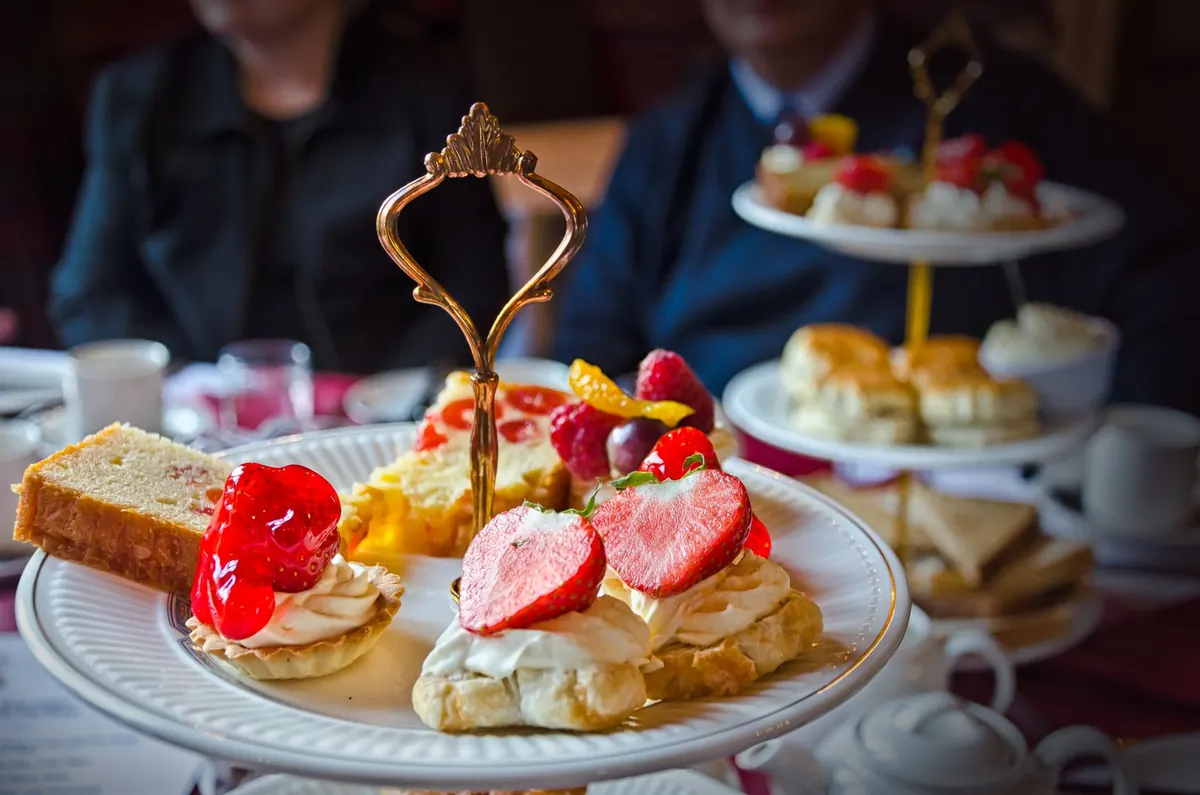
A cream tea without scones is barely a cream tea. A lunchbox without a rock cake is just a lunchbox. Both bakes come from the same corner of the British kitchen — plain flour, butter, sugar, a handful of dried fruit — and yet they behave nothing alike in the bowl or on the plate. Knowing which one you are making, and why, spares you the disappointment of a scone that eats like a brick or a rock cake that collapses into crumbs before it reaches the tin. Here is where they part ways, and how to decide.
Two Bakes With the Same Ingredients, Different Intentions
A scone is an enriched, tender dough: flour, a little sugar, cold butter, milk or buttermilk, sometimes an egg. It is handled gently, shaped, and baked hot and fast so it rises tall and splits cleanly around the waist. The whole point is a soft, short crumb that carries jam and clotted cream without falling apart.
A rock cake is a stiffer, rougher mixture. The dough is heavy enough to drop from a spoon, packed with dried fruit, often spiced, and baked in irregular heaps. It is not supposed to be elegant. The name comes from the look of the finished bake, not from any suggestion that it might break your teeth — a properly made rock cake is short and crumbly, just uneven.
Texture: Tender and Layered vs. Rugged and Crumbly
Cut a good scone and you should see a soft, slightly open crumb with a hint of flaking where the dough was folded. The outside is golden, sometimes glazed and glossy, and the inside steams when you break it open. That tenderness is fragile: scones are at their best within a few hours of baking, and by the next day they need a few minutes in a warm oven to come back to life.
Rock cakes have a different contract with the eater. They are dense, short and craggy, and the fruit is not evenly distributed — one mouthful is mostly dough, the next is a pocket of raisins and peel. That unevenness is the charm. They also keep far better than scones, which makes them the more practical bake for a tin on the counter or a bag in a rucksack.
Method: Cold Hands and a Light Touch vs. a Stiff Spoonable Dough
Scone technique is mostly about restraint. Rub cold butter into the flour until it looks like coarse breadcrumbs, or grate frozen butter in and toss it through. Add your liquid in one go, bring it together with a knife or a light hand, and stop the moment the dough holds. Pat it to about 2–2.5cm thick, fold it over itself two or three times if you want visible layers, then cut straight down with a sharp, floured cutter. Do not twist the cutter as you lift it — that seals the edges and stops the rise. Brush the tops with milk or beaten egg and get them into a hot oven.
Rock cakes are more forgiving. Many family recipes melt the butter rather than rubbing it in, which gives a softer, more scoopable mixture. You are looking for a stiff dough that will hold its shape on the spoon, so add the egg and milk gradually. Two spoons, or a spoon and a wet finger, will drop rough mounds onto the tray. A quick press with a fork gives the traditional ridged top and a scattering of demerara adds crunch.
At a Glance
- Scone: cold butter, light handling, rolled or patted, cut into rounds or wedges.
- Rock cake: butter rubbed in or melted, mixed stiff, dropped in rough heaps.
- Scone oven: hot — around 220°C (200°C fan) — for 10–12 minutes.
- Rock cake oven: moderate — around 180–190°C — for 15–20 minutes.
- Scone shelf life: best the same day, fine warmed through the next.
- Rock cake shelf life: three or four days in an airtight tin, and they freeze well.
Fillings and Flavour
Scones reward a light hand with additions. Around 100g of sultanas, raisins or chopped glacé cherries to 500g of flour is plenty; more than that and the dough turns heavy and stops rising. Savoury versions work just as well — grated mature cheddar with a pinch of mustard powder, or chopped chives and a little black pepper. Lemon zest, a spoonful of honey, or a few chopped walnuts all sit comfortably in a plain scone dough.
Rock cakes are built for generosity. Traditional versions take 200g or more of mixed dried fruit, often with candied peel, and lean on spice: a teaspoon of mixed spice, a little cinnamon, a grating of nutmeg. Dark brown sugar gives a deeper flavour than caster. If you have a quarter-bag of raisins, some tired cherries and a lonely carrot suitable only for a cake, a rock cake is the right destination for most of it.
Serving and Occasions
Choose scones when the bake is the event. A cream tea, an afternoon tea spread, a birthday breakfast, or guests arriving within the hour. They want to be eaten warm, split and loaded — jam first or cream first is your business — with good butter for the savoury ones. They also freeze beautifully once baked; thaw them and warm them in a low oven for five minutes and nobody will know.
Choose rock cakes when the bake needs to travel or last. Lunchboxes, picnics, long walks, a flask of tea on a cold afternoon, a bake sale where things get handled. They hold their shape in a bag, need no accompaniment beyond butter, and taste better on day two. They are also the better bake for a beginner: no rolling, no cutting, no worry about a clean rise.
Which One Should You Bake Today?
If you have an hour and people coming, make scones. Weigh everything first, keep your butter cold, handle the dough as little as you can bear, and serve them within a couple of hours. If you want something sturdy that will still be good tomorrow, make rock cakes. Melt the butter, use more fruit than feels sensible, drop the mixture in rough heaps, and don't tidy them up.
Both recipes will forgive you a great deal, but they ask for different things: scones want speed and a light touch, rock cakes want generosity and a bit of patience in the oven. Get those two ideas right and you will reach for the right recipe every time.
Photo: Wan Mekwi / Pexels
Related posts
More stories you’ll love reading