
Bakeries
Where to Find the Best Independent Bakeries in London for Traditional British Bakes
October 01, 2026
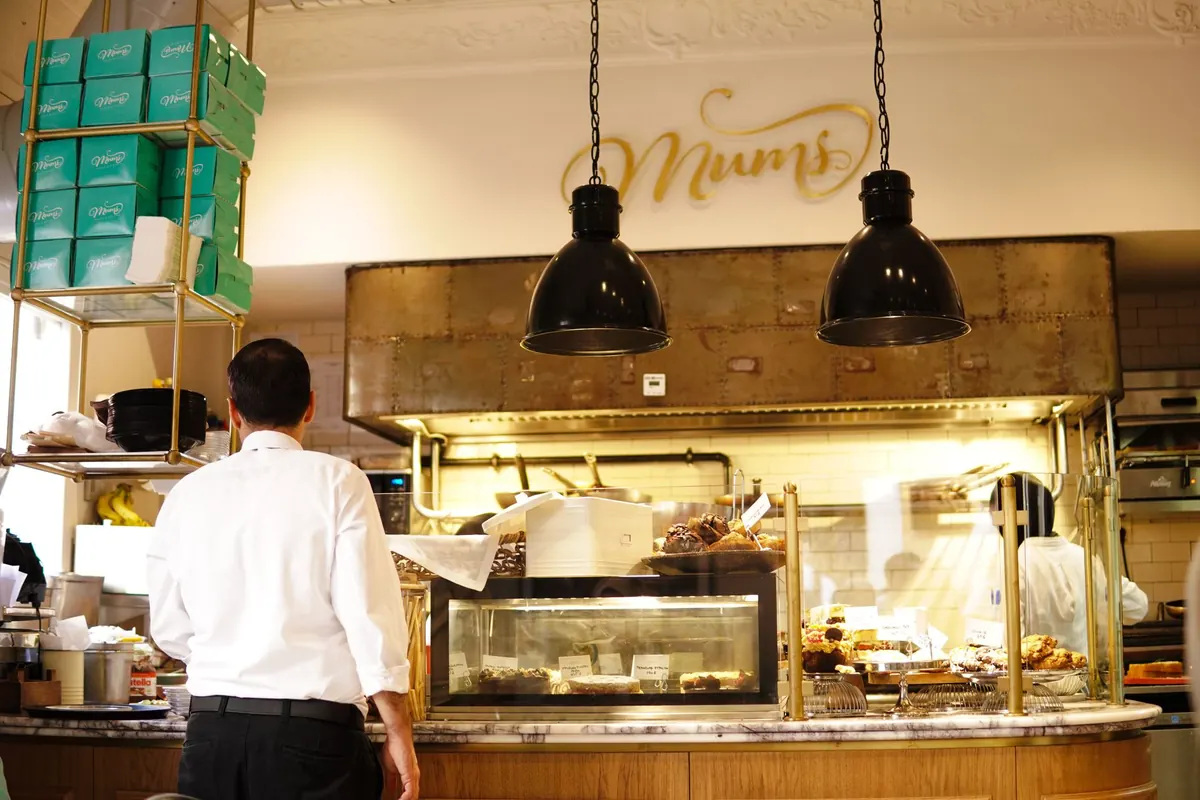
London is not short of bakeries. Walk ten minutes in almost any direction and you will find a counter selling croissants, cardamom buns and something with pistachio in it. What takes more hunting is the older, plainer stuff: a Chelsea bun with sticky edges, a lardy cake, a custard tart with nutmeg grated over the top, a loaf with a crust that fights back.
That hunt is worth making. The city's independent bakeries have spent the last decade quietly reclaiming British baking, partly because customers started asking for it, partly because bakers got interested in the old recipes again. What you find now is a small, spread-out network of shops where bread is made on site, in batches, by people who can tell you which flour went into it.
What follows is a guide to the bakeries worth planning a trip around, and a few habits that will make every visit better.
First, Know What You Are Looking For
A French patisserie and a British bakery are doing different jobs. The patisserie is chasing precision and lightness. The British bakery is chasing warmth and keeping quality: bakes that survive a long afternoon, that suit butter and jam, that were designed for a damp climate and a cold kitchen.
So the menu to look for includes fruit loaves and tea breads, hot cross buns, Chelsea buns, Bath buns, lardy cake, Eccles cakes, scones, Bakewell tarts, custard tarts, maids of honour, ginger cake and a proper plain white or wholemeal loaf. Regional things travel too: Welsh cakes, bara brith, Scotch pancakes. If a bakery has three or four of these at once, you are in the right place.
East London: The Old Baking Heartland
East London has the deepest bench. It also has the widest range, from bagels sold at three in the morning to sourdough sold out by eleven.
Beigel Bake on Brick Lane has built its reputation on being open when nothing else is. The queue moves fast, the salt beef beigels are the point, and the platzels and almond slices on the side are cheap, unfussy and good. It is not a bakery in the modern sense, but it is one of the most honest baking shops in the city.
Rinkoff Bakery is a family operation that has been in the East End for generations, and it still bakes the sort of things that filled British bakery windows fifty years ago. Their crodough has a following, but do not overlook the plain cakes and the bread.
E5 Bakehouse, tucked under the railway near London Fields, is the place that taught a lot of Londoners what a long-fermented loaf should taste like. Their Hackney Wild is the signature, but the seasonal buns and the rye loaves are just as worth carrying home.
The Dusty Knuckle in Dalston does serious bread with a light touch, and its sandwiches have quietly become a reason to visit on their own. Go early; the shelves empty.
Borough Market and Bermondsey
Bread Ahead in Borough Market is a bakery and a baking school in one. The doughnuts are filled in front of you, the bread is baked in view, and if you want to learn to make any of it yourself, they run classes. It is busy, and it deserves to be.
St John Bakery made the custard doughnut a London obsession, and the versions sold from the Druid Street arch at weekends are still the benchmark: crisp sugar outside, cold custard within. The bread is excellent too, and when they have Eccles cakes, buy them.
North London and the Pastry Crowd
Pophams in Islington, with a second site in Hackney, is where British baking meets good pastry technique. The bacon and maple croissant is the famous one; the plain croissant tells you more about the kitchen.
Around Broadway Market and London Fields you can spend a whole Saturday drifting between bakeries, and Pavilion is a good anchor. Further north, Jolene in Newington Green bakes on site and sells bread alongside a proper kitchen. The rule in this part of town: arrive before ten if you want choice, not scraps.
West London and the Old Tea Table
Layla Bakery in Ladbroke Grove is a small, bright shop doing very good bread and pastries, with a strong line in the kind of cakes you want with a pot of tea.
For the deep end of tradition, head to Kew and The Original Maids of Honour, an old institution known for its maids of honour tarts: set curd in a crisp pastry case, best eaten the day you buy them. It is the closest thing London has to a Victorian tea table that never packed up.
How to Get the Most Out of a Visit
A little strategy makes a big difference, because independent bakeries are not supermarkets.
- Go early. The best loaves and the seasonal buns sell out first, often before lunch.
- Buy the plain things first. A simple white loaf or a plain bun tells you more about a bakery than anything glazed.
- Ask what came out of the oven today. Staff will tell you, and they will point you at whatever is at its best.
- Check whether they bake on site. If the shop smells of bread at nine in the morning, they do.
- Buy seasonal bakes in season. Hot cross buns, mince pies and simnel cake appear in short windows; do not wait.
- Take a bag. Most small bakeries charge for bags or have stopped offering them.
- Ask for unsliced bread if you plan to freeze it. It keeps far better than sliced.
Before You Go
Small bakeries change their hours often, close for holidays and shut early when they sell out. Check the shop's own website or social media on the morning you plan to visit rather than trusting an old listing, and do not plan a long journey around one specific bun without confirming it is on that day.
Weekday mornings are calmer than weekends, and the queue outside a famous bakery on a Saturday is rarely worth joining when a lesser-known shop two streets away is baking the same things. Many of these places sit close to Tube and Overground stations, so a bakery crawl across two or three neighbourhoods is easy to plan.
One last habit worth adopting: buy two loaves, slice one and freeze it the day you get home. It will taste better than almost anything you can buy midweek, and it means the trip was worth more than a single breakfast.
Photo: Zeynep İpek / Pexels
Related posts
More stories you’ll love reading